Vinyl or Linoleum Floor Installation for Kitchens, Bathrooms, and Basements
People searching for vinyl or linoleum floor installation for kitchens, bathrooms, and basements are usually looking to have durable, attractive flooring installed, and local contractors can connect them with experienced professionals who handle the job efficiently and reliably.
If you're considering vinyl or linoleum floor installation for kitchens, bathrooms, or basements, you're in the right place to find helpful information and trusted local service providers. These flooring options are popular choices for many property owners because they offer durability, water resistance, and a variety of styles that can complement any space. Whether updating a high-traffic kitchen, refreshing a bathroom, or transforming a basement into a functional area, understanding the benefits and considerations of these flooring types can make the decision easier. Exploring your options and connecting with experienced local contractors can ensure the installation process is smooth and results meet your expectations.
Property owners in the area often turn to vinyl or linoleum flooring for their practicality and affordability, especially in rooms prone to moisture or heavy use. Local service providers specialize in installing these versatile floors, helping homeowners and property managers achieve a long-lasting, attractive surface that can withstand daily wear. As you read on, you'll find useful insights into the features of vinyl and linoleum flooring and how local contractors can assist in selecting and installing the right flooring for your specific needs. Keep exploring to discover how professional installation can enhance the look and functionality of your spaces.
- Kitchens - homeowners seeking durable and easy-to-maintain flooring for kitchens often turn to vinyl or linoleum installation, with local contractors ensuring proper surface preparation and precise fitting.
- Bathrooms - for moisture-resistant flooring that withstands humidity, local service providers specialize in installing vinyl or linoleum floors that are both functional and stylish.
- Basements - when transforming unfinished or damp basement spaces, local pros can install vinyl or linoleum flooring that offers moisture protection and a finished look.
- Renovations - during kitchen, bathroom, or basement remodels, homeowners often choose vinyl or linoleum flooring, with local contractors handling the installation to match new design plans.
- Flooring upgrades - upgrading existing floors in kitchens, bathrooms, or basements to vinyl or linoleum can improve durability and appearance, with local service providers managing the installation process.
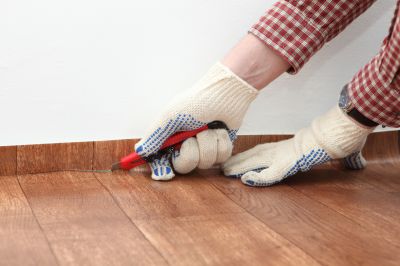
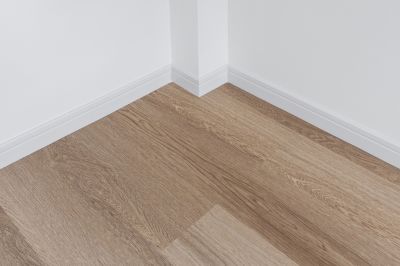
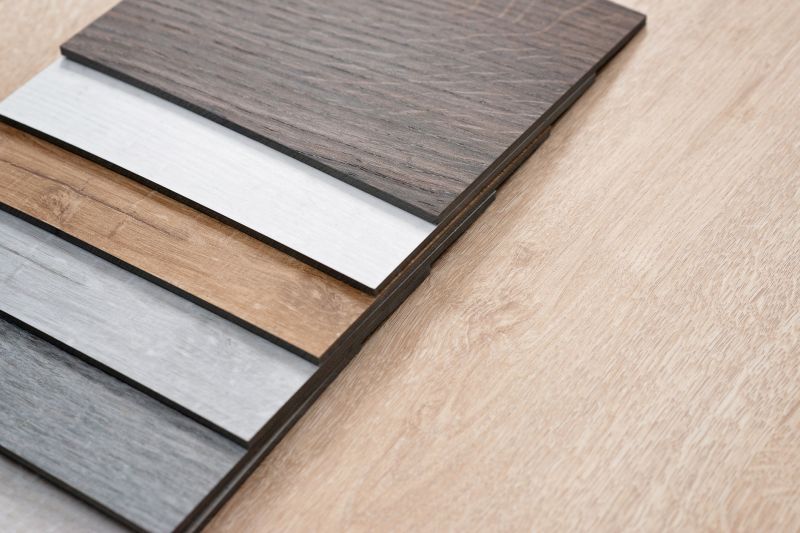
Vinyl or linoleum floor installation for kitchens, bathrooms, and basements is a common topic for homeowners exploring options to improve these frequently used spaces. When people search for this service, they often want to understand the benefits of these flooring types, such as durability, water resistance, and ease of maintenance. They may also be seeking guidance on choosing the right style, pattern, or thickness to match their interior design and functional needs. Many are considering replacing old or worn flooring or installing new surfaces during renovations or remodeling projects, aiming to enhance both the look and practicality of their kitchens, bathrooms, or basements.
This type of flooring project typically relates to problems like water damage, wear and tear, or outdated aesthetics. Homeowners often plan to upgrade spaces that see heavy foot traffic or moisture exposure, such as kitchens and bathrooms, where spills and humidity are common. Basement installations are frequently driven by the desire to create a more finished, comfortable environment, or to replace concrete or carpeted floors that lack durability or proper moisture resistance. These projects can also be part of larger remodeling plans, where the goal is to improve overall home value or adapt spaces for specific uses, such as laundry rooms or entertainment areas.
Properties that usually come up in discussions about vinyl or linoleum floor installation include single-family homes, townhouses, and apartment units. These spaces often feature existing flooring that needs replacement or upgrading, especially in high-traffic or moisture-prone areas. Commercial properties, like small offices or retail stores, may also be interested in these flooring options for their affordability and ease of maintenance. The typical property profile involves spaces that benefit from resilient, cost-effective flooring solutions that can be installed with minimal disruption and provide long-lasting performance.
Connecting with local contractors who specialize in vinyl or linoleum floor installation ensures that homeowners receive professional guidance tailored to the specific needs of their property. These service providers can assess the current condition of existing floors, recommend appropriate materials, and handle all aspects of the installation process. Whether updating a kitchen, bathroom, or basement, working with experienced local pros helps ensure the project aligns with the space’s functional demands and aesthetic preferences. They bring practical expertise to help homeowners achieve a durable, attractive finish that meets their goals for the space.
Subfloor Preparation - Proper subfloor prep is essential for vinyl or linoleum floor installation in kitchens, bathrooms, and basements, and local contractors skilled in subfloor repair and leveling can ensure a durable, smooth surface.
Waterproofing Projects - Waterproofing bathroom or basement floors involves similar planning and moisture management techniques that are often used in vinyl or linoleum flooring installations to prevent damage and ensure longevity.
Tile and Vinyl Flooring Replacement - Replacing existing tile or other flooring types with vinyl or linoleum requires skills in removal and surface preparation, which local service providers can handle efficiently.
Flooring Repair and Patching - Repairing damaged sections of floors before installing new vinyl or linoleum involves similar skills in surface assessment and patching used in flooring installation projects.
Underlayment Installation - Installing proper underlayment for vinyl or linoleum floors in kitchens, bathrooms, and basements is a common step that local contractors can perform to enhance floor durability and comfort.
Design and Layout Planning - Planning the layout and pattern of vinyl or linoleum flooring involves precise measurement and cutting skills that are also used in other flooring projects like custom cuts or transitions.
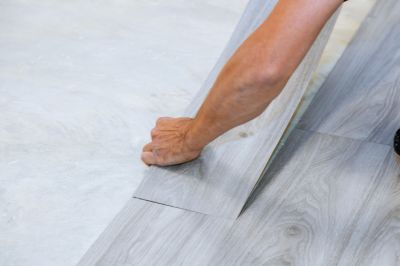
When evaluating service providers for vinyl or linoleum floor installation in kitchens, bathrooms, and basements, it is important to consider their experience with similar projects. Homeowners should inquire about the types of spaces the contractors have worked on and whether they have handled installations in areas with specific requirements, such as moisture-prone bathrooms or high-traffic kitchens. A contractor with a history of completing projects comparable to the intended space can offer insights into potential challenges and demonstrate familiarity with the best installation practices for vinyl or linoleum floors in these environments.
Clear, written expectations are essential to ensure both parties are aligned on the scope of work, materials, and finishes. Homeowners are encouraged to discuss the details of the installation process, including preparation steps, installation techniques, and post-installation care. Service providers who can provide comprehensive, written estimates and project outlines help establish transparency and reduce misunderstandings. This clarity allows homeowners to make informed decisions and ensures that the installation meets their specific needs for durability, style, and functionality.
Reputable references and effective communication are key indicators of a reliable contractor. Homeowners should seek out service providers who can supply references from previous clients with similar installation projects, providing confidence in their track record. Additionally, good communication throughout the process - including responsiveness to questions, clarity in explanations, and willingness to discuss options - can make the entire experience smoother. Choosing a contractor who values open dialogue and has a history of positive client interactions often results in a more satisfactory outcome for vinyl or linoleum floor installation in various areas of the home.
Property owners often search for vinyl or linoleum floor installation for kitchens, bathrooms, and basements when they are planning practical projects around their homes and businesses. Local pros provide Vinyl or Linoleum Floor Installation services for everyday jobs and straightforward project options.
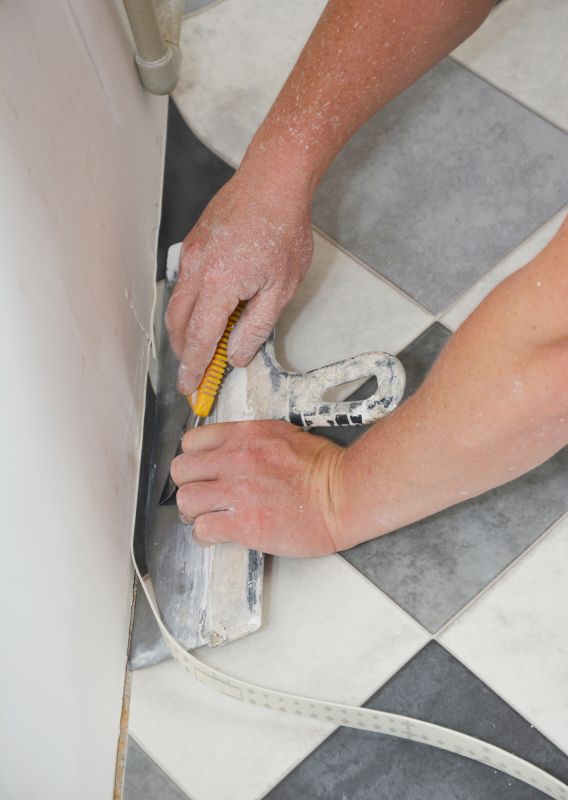
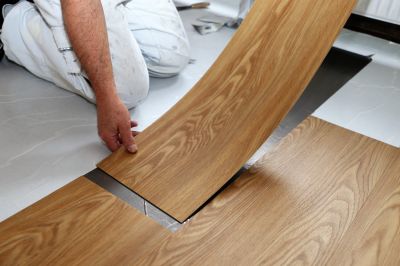
Homeowners considering vinyl or linoleum floor installation for kitchens, bathrooms, and basements often seek durable, easy-to-maintain flooring options that can withstand daily use and moisture. Whether updating a tired space or preparing a new area for regular activity, property owners look for reliable local contractors who can handle the installation efficiently and with quality results. These projects are common in areas prone to spills, humidity, or heavy foot traffic, making professional installation a practical choice to ensure the flooring performs well over time and enhances the overall look of the space.
Many property owners turn to local service providers when planning to install vinyl or linoleum floors because they want a smooth, hassle-free process and a finished product that meets their needs. From selecting the right type of flooring to proper subfloor preparation, experienced contractors can help ensure the installation is done correctly. This is especially important in kitchens, bathrooms, and basements, where moisture and wear are constant concerns. Connecting with local pros allows property owners to find knowledgeable specialists who can deliver quality work tailored to the specific demands of these rooms.
What are the differences between vinyl and linoleum flooring for kitchens, bathrooms, and basements? Vinyl flooring is typically made from synthetic materials and offers a wide variety of styles and finishes, while linoleum is made from natural materials and has a more traditional look. Local contractors can help determine which option suits specific needs and preferences for each space.
Can vinyl or linoleum flooring be installed over existing floors? Yes, many local service providers can install vinyl or linoleum flooring over existing surfaces, provided they are in good condition. Proper preparation by a professional ensures a smooth and durable installation.
Are vinyl or linoleum floors suitable for high-moisture areas like bathrooms and basements? Both vinyl and linoleum are moisture-resistant options, making them suitable for bathrooms and basements. Local pros can recommend the best type based on the specific conditions of each area.
What are the typical installation processes for vinyl and linoleum flooring in kitchens, bathrooms, and basements? Installation generally involves preparing the subfloor, measuring and cutting the material, and applying adhesives or click-lock systems. Experienced local contractors ensure proper fitting and finish for a long-lasting result.
How do local pros handle repairs or replacements of vinyl or linoleum flooring in these spaces? For repairs or replacements, local service providers can remove damaged sections, prepare the surface, and install new flooring seamlessly, ensuring minimal disruption and a consistent look.
Choosing durable materials - property owners can select vinyl or linoleum options that withstand moisture and heavy foot traffic in kitchens, bathrooms, and basements with guidance from local contractors.
Design coordination - homeowners can plan color schemes and patterns that complement existing decor by consulting with local service providers experienced in vinyl or linoleum floor installation.
Preparing the space - property owners can ensure proper subfloor preparation for a smooth and long-lasting vinyl or linoleum floor by working with local pros who handle installation details.
Seam and edge finishing - property owners can learn about proper seam placement and edge sealing techniques to achieve a clean, professional look in their kitchen, bathroom, or basement floors through local experts.
If you are thinking about vinyl or linoleum floor installation for kitchens, bathrooms, and basements for a property, this guide is meant to help you understand this topic, the typical project types, and how different options might fit your plans.
When you are ready, you can use the quote form on this page to share a few details about your project. From there, local pros can review the basics and follow up with options that match what you have in mind.